

 Cart is empty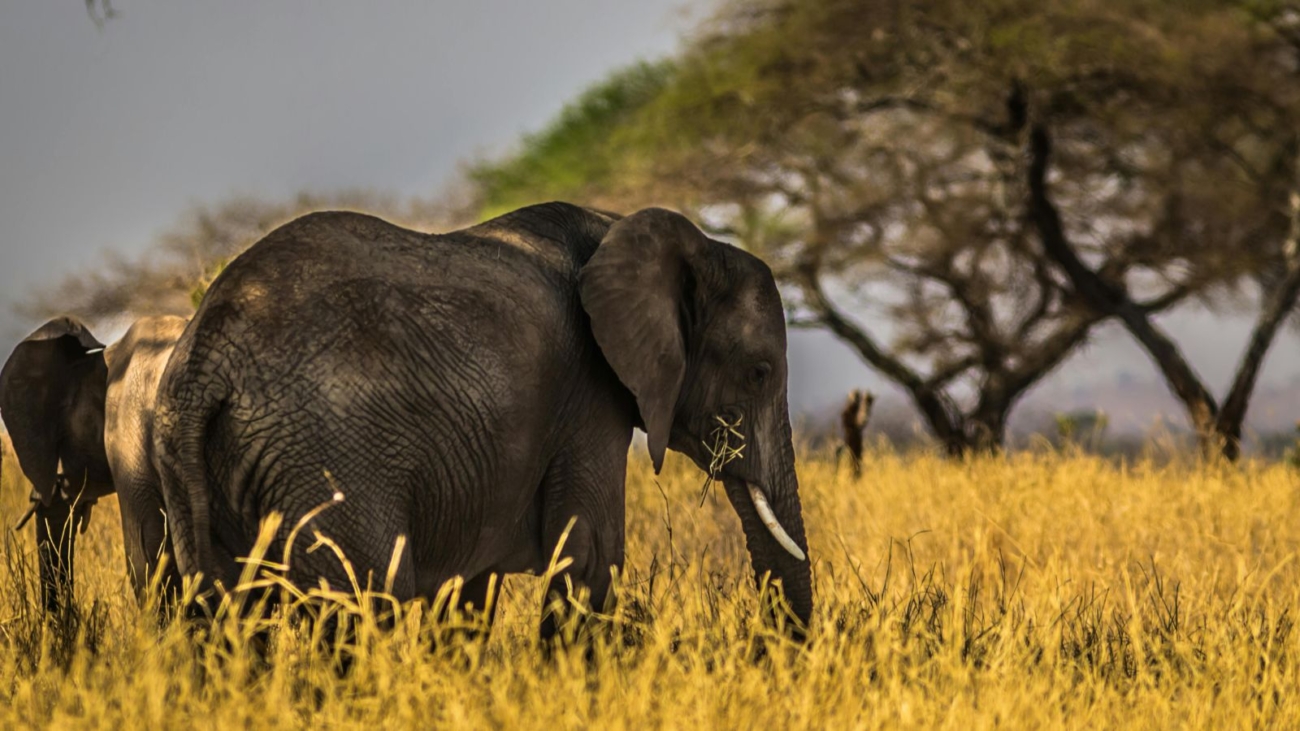
Rethinking Travel
For years, tourism has been framed as escape—collecting stamps on a passport, chasing bucket lists, and ticking off “must-see” attractions. But travelers are changing. They’re asking a harder question: What impact does my trip leave behind?
Mass tourism has often strained resources, displaced communities, and hurt ecosystems. Conscious travel is a response to that reality. It’s about choosing experiences that respect people and protect places.
At Swafari Experience, this isn’t a marketing line—it’s how we build every journey.
What Conscious Travel Really Means
Conscious travel is simply traveling with awareness. It’s looking beyond the hotel and safari vehicle to ask:
- Where does my money go?
- Who benefits from my trip?
- Am I protecting or harming the community and environment I’ve come to enjoy?
In practice, it looks like this:
- Staying in locally owned lodges instead of global chains.
- Hiring community guides and drivers whose work supports families.
- Buying baskets, beadwork, and crafts directly from artisans.
- Taking part in exchanges that teach, not exploit.
Why Travelers Are Shifting
- The Environmental Reality – From dried-up waterholes to plastic in oceans, tourism’s footprint is undeniable. More travelers want their presence to help preserve, not destroy.
- The Search for Depth – A checklist of landmarks doesn’t compare to planting trees in a village, learning beadwork from Maasai women, or sharing a meal sourced from a local market.
- The Power of Choice – Every booking is a vote. Travelers now realize their decisions shape the kind of tourism that thrives.
How Swafari Puts It Into Action
Conscious travel is not an “extra” for us—it’s our foundation.
- The Swafari Foundation – Proceeds from trips fund education, food, and projects through Tunza Watoto Foundation, currently keeping 69 children in school every semester.
- Healthcare Access – Beyond school fees, funds also cover medical bills so children receive the care they need to stay healthy and thrive.
- Wildlife Conservation – Every journey contributes to efforts such as chimpanzee rehabilitation at Ol Pejeta and supporting the David Sheldrick Wildlife Trust, which rescues and cares for orphaned elephants.
- Purposeful Experiences – Whether at a cultural center in Kenya, a conservation walk in Tanzania, or sourcing food directly from local vendors, every interaction is designed to sustain communities.
Who Benefits? Everyone.
- Travelers leave with more than photos—they leave with perspective and purpose.
- Communities gain fair income, stronger schools, and access to healthcare.
- The Planet benefits from choices that put sustainability and conservation at the center.
Stories of Change
A Swafari journey doesn’t just create memories—it creates opportunities:
- In Kenya, proceeds helped 69 children continue their education by covering tuition, uniforms, and meals.
- Medical support ensured that children at Little Angels Children’s Home received treatment instead of being sidelined by illness.
- Conservation contributions aided chimpanzee rehabilitation at Ol Pejeta Conservancy and supported the David Sheldrick program in raising and reintegrating orphaned elephants.
Each traveler might not see the full picture—but their trip is part of a much bigger story of impact.
The Future of Tourism
The next era of travel isn’t about “doing more”—it’s about doing better. Conscious travel isn’t a trend to follow; it’s the standard we must build together.
At Swafari, we believe every safari should be as much about what you give as what you take away. Because when travel is conscious, it doesn’t just change the traveler—it changes the world they touch.